SEO PPC Management Guide: Expert Strategies For 2026
In 2026, digital marketing is more competitive and data-driven than ever, challenging brands to adapt quickly. To stand out, mastering seo ppc management is now essential for any business aiming for sustainable success.
This guide delivers expert strategies to help you integrate SEO and PPC, maximising your brand’s visibility and return on investment. Whether you’re a marketer or a business owner, you’ll find actionable, up-to-date tactics for effective synergy.
Discover how the roles of SEO and PPC are evolving, step-by-step frameworks for management, advanced optimisation techniques, smart budget allocation, and the latest trends to keep you ahead. Let’s dive in and unlock the full potential of your digital marketing in 2026.
The Evolving Roles of SEO and PPC in 2026
In 2026, the digital marketing landscape continues to evolve rapidly. SEO and PPC have become more intertwined than ever, making effective seo ppc management a necessity for brands aiming to stay competitive. Understanding how these channels work together is the first step toward maximising your online presence and returns.
Understanding SEO and PPC Fundamentals
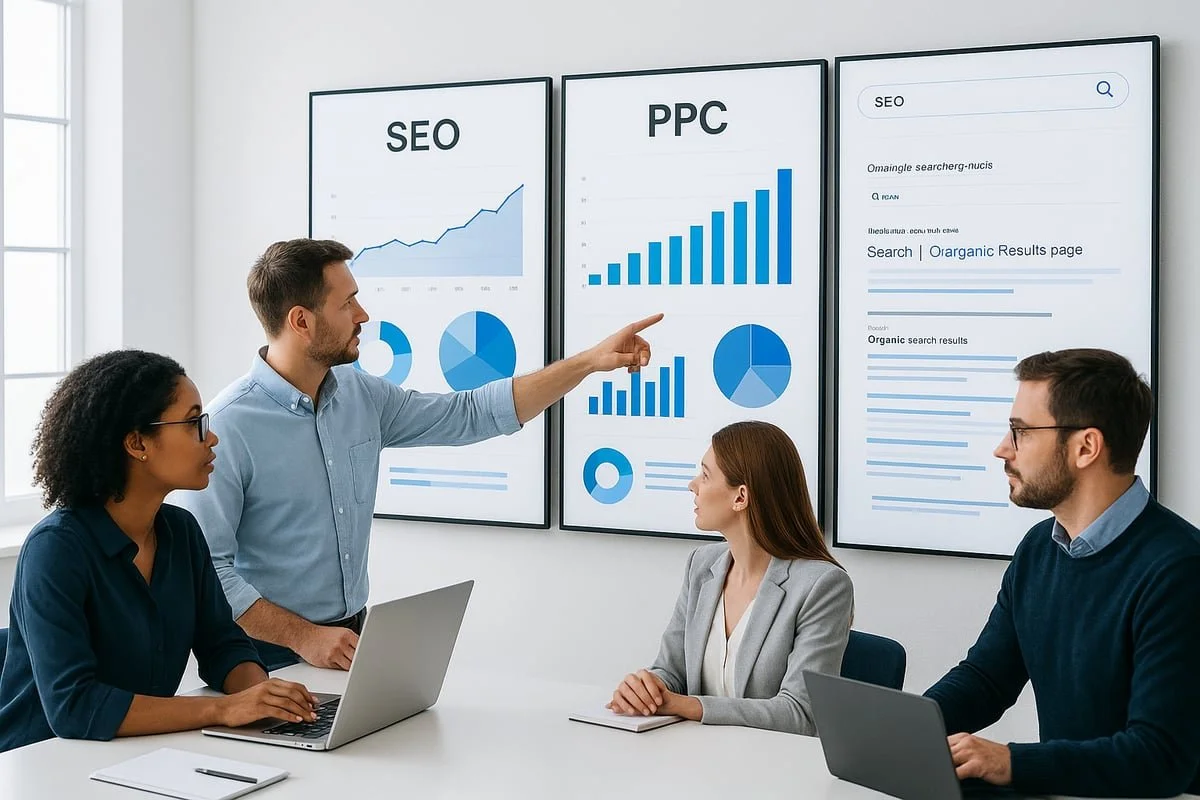
SEO, or search engine optimisation, focuses on improving a website’s visibility in organic search results. PPC, or pay per click, involves buying ad placements on search engines and other platforms. Both channels drive website traffic and conversions, but in unique ways.
Search engines in 2026 use complex AI algorithms to rank content and place ads, rewarding sites that deliver value and relevance. User behaviour is shifting as people expect faster answers and more personalised experiences. Recent data shows 53% of web traffic comes from organic search, while 65% of high-intent buyers click paid ads. Google’s SERP now blends organic listings with AI-powered ad placements, making seo ppc management a balancing act brands can’t ignore.
Pros and Cons of SEO
SEO offers lasting benefits for brand authority and trust, especially when you focus on E-E-A-T: experience, expertise, authoritativeness, and trustworthiness. It’s cost-effective and scales well over time, making it a smart investment for businesses that want steady growth.
However, SEO can be slow to deliver results. The top-ranking pages are often two to three years old, showing the level of competition. Frequent algorithm updates require ongoing content improvements. Despite these challenges, SEO remains essential for ecommerce and lead generation, and should be part of every seo ppc management approach.
Table: SEO Pros and Cons
|
Pros |
Cons |
|---|---|
|
Builds authority |
Slow results |
|
Scalable |
High competition |
|
Cost-effective |
Needs ongoing content updates |
Pros and Cons of PPC
PPC delivers instant visibility and can quickly drive targeted traffic to your site. You have full control over your budget, audience, and campaign timing. This makes PPC ideal for time-sensitive or highly targeted campaigns.
But, PPC comes with costs. High competition can push up cost per click, and you’ll need to optimise constantly to avoid wasted spend. Ad fatigue can set in if you don’t refresh your creatives. For example, seasonal campaigns for local services benefit from PPC’s flexibility. Effective seo ppc management means knowing when and how to use PPC for maximum impact.
Table: PPC Pros and Cons
|
Pros |
Cons |
|---|---|
|
Immediate results |
Costly |
|
Precise targeting |
Requires ongoing tuning |
|
Budget flexibility |
Risk of ad fatigue |
Why Integration Matters in 2026
Combining SEO and PPC creates a synergy that amplifies your marketing outcomes. SEO builds long-term trust, while PPC accelerates reach and visibility. Sharing keyword and performance data leads to smarter targeting and a unified keyword strategy.
Unified reporting gives a complete view of performance, helping you spot new opportunities. Brands that dominate both organic and paid spots on the SERP enjoy a real competitive advantage. For expert strategies on aligning these channels, explore SEO and PPC Integration Strategies for 2026. In 2026, seo ppc management is about working smarter, not just harder.
Key Industry Shifts and Data Points
AI is transforming both search and ad targeting, making campaigns more efficient and personalised. There’s a stronger focus on user experience and high-quality content, as both are now major ranking and ad placement factors. Conversion tracking and attribution models have become more advanced, giving marketers better insight into what drives results.
Over 40% of clicks now go to the top three paid ads, showing the importance of strong PPC campaigns. At the same time, multi-channel management is no longer optional. Brands that invest in holistic seo ppc management are best positioned to thrive in a crowded digital world.
Step-by-Step SEO & PPC Management Framework for 2026
A successful seo ppc management framework in 2026 requires a detailed, methodical approach. By following these six essential steps, marketers can synchronise organic and paid efforts, improve efficiency, and drive measurable business growth.

Step 1: Comprehensive Keyword Research
Effective seo ppc management starts with robust keyword research. Begin by identifying both high-value short-tail and long-tail keywords relevant to your business goals. AI-powered tools like SEMrush, Ahrefs, and Google Keyword Planner are essential for tracking predictive search trends and uncovering new opportunities.
Align your keyword strategy across SEO and PPC to avoid overlaps and ensure consistent messaging. Be strategic—avoid overly competitive terms that may drain your budget or slow organic progress. Instead, focus on phrases with solid intent and achievable competition.
Practical tip: Target specific keywords for each channel, then cross-reference performance data to refine your approach. This ensures your seo ppc management efforts drive higher conversion rates and better ROI.
Step 2: Landing Page Development & Optimisation
Landing pages are the backbone of seo ppc management. Every campaign, whether organic or paid, should direct users to a conversion-focused, mobile-first landing page. Prioritise UX/UI design and fast load times to meet Google’s Core Web Vitals standards.
Align landing page copy and structure with your chosen keywords. This improves relevance and Quality Score for PPC while boosting SEO rankings. Use A/B testing tools to experiment with layouts, CTAs, and headlines for continual improvement.
Remember, PPC landing pages often serve a single offer, while SEO-optimised hubs may cover broader topics. Balancing both types is key to maximising the impact of your seo ppc management strategy.
Step 3: Ad and Content Creation
Content and ad copy are at the heart of seo ppc management. For PPC, write concise, compelling ads with strong calls-to-action. Use dynamic features and responsive formats to reach different audience segments efficiently.
SEO content should demonstrate authority, depth, and relevance. Consistency in brand messaging across both channels is crucial—this builds trust and recognition. Leverage benefit-driven headlines and bolded keywords to capture attention.
Regularly update and refresh content to keep up with algorithm changes. By integrating ad and content creation processes, your seo ppc management program will deliver cohesive, high-performing campaigns.
Step 4: Campaign Launch and Audience Targeting
Launching campaigns is a pivotal phase in seo ppc management. Set up your ads in platforms like Google Ads, Bing, and Meta. Use advanced audience segmentation to target users based on demographics, intent, and behaviour.
Geo-targeting and remarketing are powerful tools. Schedule campaigns around peak seasons or time-sensitive offers for maximum impact. Hyper-local PPC ads can be especially effective for service-based businesses.
For deeper insights into optimising campaigns, check out these Google Ads digital marketing insights. These strategies will help refine your seo ppc management process and drive better results.
Step 5: Tracking, Analytics & Performance Measurement
Accurate measurement is the backbone of seo ppc management. Set up robust conversion tracking using Google Analytics 4 and ad platform pixels. Monitor key metrics like CTR, bounce rate, Quality Score, organic rankings, and ROAS.
Utilise AI and automation to gain real-time insights and spot trends quickly. Attribution models are vital for understanding which channels and keywords drive the most value. A data-driven approach ensures you can make informed adjustments to your campaigns.
By consistently measuring and analysing performance, your seo ppc management strategy will be agile, accountable, and effective.
Step 6: Ongoing Optimisation and Scaling
Continuous improvement is essential for long-term seo ppc management success. Regularly test ad copy, bids, landing pages, and refresh website content. Shift budgets based on channel performance data to avoid wasted spend.
Scale up successful campaigns and pause underperformers. Stay on top of search engine and ad platform updates to keep your strategies current. Dynamic budget adjustments during peak seasons can capture additional opportunities.
A disciplined approach to ongoing optimisation ensures your seo ppc management delivers sustainable growth, competitive advantage, and outstanding ROI.
Advanced Strategies for SEO & PPC Synergy
Achieving true synergy in your seo ppc management unlocks powerful results that go beyond what either channel can deliver alone. By leveraging advanced tactics, you create a feedback loop that amplifies both paid and organic visibility, boosts conversions, and drives smarter decision-making.
Unified Keyword and Data Strategy
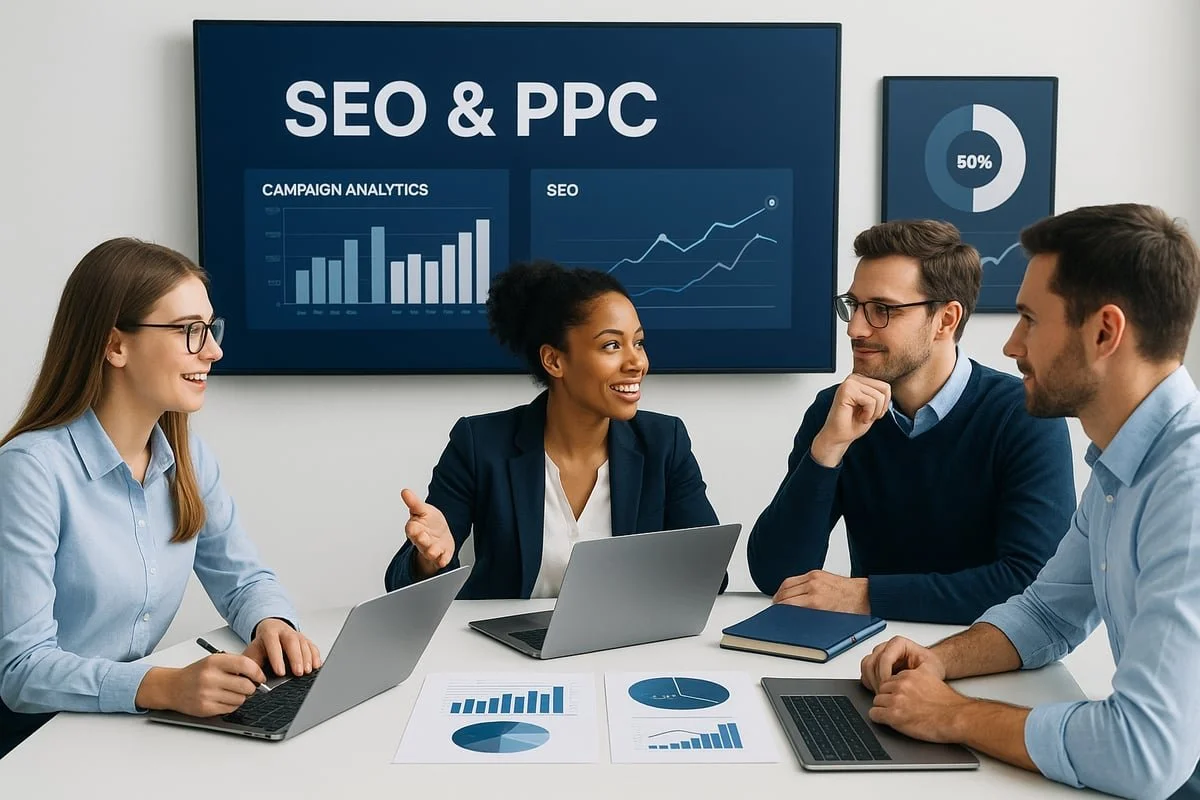
A unified keyword and data strategy is the backbone of effective seo ppc management. Sharing keyword insights between SEO and PPC teams helps identify new opportunities and close content gaps. For example, high-converting PPC keywords can inform new organic content, while SEO data can refine negative keyword lists to reduce wasted ad spend.
Share keyword performance reports regularly.
Use PPC data to spot quick-win organic targets.
Update negative keywords based on organic search queries.
Integrated approaches, like those described in Integrating SEO and PPC for Maximum Results, ensure both channels support each other for stronger results.
Integrated Reporting and Attribution
Integrated reporting is essential for holistic seo ppc management. By consolidating data from both channels, teams can see the full customer journey and allocate resources more effectively. Setting up unified dashboards in tools like Google Data Studio makes it easier to compare metrics such as CTR, ROAS, and organic rankings side by side.
Implement multi-touch attribution models.
Track assisted conversions from both channels.
Identify overlapping and complementary keyword performance.
Unified reporting uncovers optimisation opportunities that siloed strategies often miss, helping marketers fine-tune both paid and organic efforts.
Cross-Channel Retargeting and Remarketing
Cross-channel retargeting is a powerful lever in seo ppc management. By building audiences based on SEO-driven website visits, you can target warm prospects with tailored PPC ads. Creating multi-channel remarketing lists allows you to re-engage users across search, display, and even social platforms.
Retarget organic traffic with special PPC offers.
Create segmented lists for different user actions.
Use sequential messaging to nurture leads across touchpoints.
This approach typically lifts conversion rates, as users see consistent messaging that guides them from discovery to decision.
Coordinated Content and Ad Calendar
A coordinated content and ad calendar keeps your seo ppc management efforts aligned. Planning content publishing and ad campaigns together ensures your messaging is timely and maximises reach. For example, launching a new product page with simultaneous SEO optimisation and a targeted PPC campaign can dominate the SERP for crucial keywords.
Sync blog posts and ad copy for product launches.
Map seasonal events to both channels.
Avoid cannibalisation by assigning clear roles to each asset.
Consistent schedules help reinforce your brand and prevent overlap, allowing each channel to amplify the other’s impact.
Automation and AI in Campaign Management
Automation and AI now play a central role in seo ppc management. AI-powered tools can optimise bids, generate responsive ad copy, and predict campaign trends, freeing up your team to focus on strategy. Automated rules can pause underperforming ads or reallocate budget in real time.
Use AI for smart bidding and dynamic ad creation.
Set up rules for budget and bid adjustments.
Leverage predictive analytics for campaign planning.
By embracing automation, marketers can adapt quickly to changes and maintain a competitive edge in a fast-evolving digital landscape.
Budget Allocation, Bidding, and ROI Maximisation
Effective budget allocation is a cornerstone of successful seo ppc management. With the stakes higher in 2026, brands must balance spend, bidding, and ROI tracking to ensure every dollar delivers measurable results. Let’s break down how to approach each element for maximum impact.

Determining the Right SEO vs. PPC Spend
Setting the right budget split is central to seo ppc management. Start by evaluating your business goals, growth stage, and competitive landscape. If you’re launching a new product or brand, PPC often delivers quick wins, while SEO builds authority over time.
Consider seasonality and industry benchmarks. For example, ecommerce brands may allocate 60% to PPC during peak sales periods, then shift focus to SEO for long-term gains. Use performance data to guide your decisions and adjust monthly.
Here’s a quick comparison:
|
Channel |
Speed |
Scalability |
Cost Over Time |
Audience Targeting |
|---|---|---|---|---|
|
SEO |
Slow |
High | Low | Broad |
|
PPC |
Fast |
Medium | High | Precise |
Reviewing and realigning your spend is a continuous process in seo ppc management.
Smart Bidding Strategies for 2026
Bidding in 2026 is more automated, but human oversight is still essential for seo ppc management. Platforms like Google Ads offer Smart Bidding, which uses AI to optimise for CPA or ROAS goals.
Adjust bids for device, location, and audience segments to target high-value users. For instance, if mobile conversions are higher, increase mobile bids. Schedule bid adjustments during peak hours or seasonal events.
Tips for effective bidding:
Set clear CPA or ROAS targets.
Regularly review automated rules and overrides.
Test manual vs. automated bidding for specific campaigns.
Use negative keywords to reduce wasted spend.
Stay agile and monitor performance to ensure your seo ppc management adapts to changes quickly.
Measuring and Improving ROI Across Channels
Tracking ROI is vital for effective seo ppc management. Calculate true cost per acquisition (CPA) and return on ad spend (ROAS) for both SEO and PPC. Use unified dashboards to compare channel performance and attribution models like linear or data-driven.
Industry data shows paid ad visitors are 50% more likely to purchase than organic, but conversion rates differ by sector. For detailed insights, see these SEO vs. PPC Conversion Rates by Industry statistics.
Optimise by doubling down on high-performing keywords and content. Unified ROI tracking supports smarter budget decisions and maximises profitability in seo ppc management.
Avoiding Common Budget Pitfalls
Even with the best strategies, seo ppc management can fall victim to budget pitfalls. Watch for ad overspend, click fraud, and diminishing returns. Set strict caps on campaigns and monitor for ad fatigue.
Common pitfalls include:
Failing to pause underperforming keywords or ads
Ignoring negative keyword lists
Overlooking attribution data
Not reallocating budget based on performance
Regular audits and clear protocols help prevent waste. By staying proactive, you’ll ensure your seo ppc management remains efficient and cost-effective.
Future Trends and Expert Predictions for SEO & PPC
As digital marketing evolves, so do the expectations for seo ppc management. Brands that adapt quickly to new trends and technologies will lead the competition. Let’s explore the four major future trends shaping the industry and what they mean for your strategy.
AI and Machine Learning in Search and Ads
AI and machine learning are rapidly transforming seo ppc management. Tools now automate content creation, optimise ad targeting, and predict campaign outcomes with impressive accuracy. Brands use AI chatbots to handle customer queries, while predictive analytics guide budget allocation and keyword choices. Voice search and conversational AI are also gaining traction, requiring campaigns to adapt to more natural language queries.
According to Digital Marketing Statistics for 2026, AI-driven campaigns deliver higher engagement and conversion rates. Early adoption of these technologies gives brands a significant competitive advantage in the evolving digital landscape.
Evolving Search Behaviours and SERP Features
Search behaviour is shifting quickly, impacting seo ppc management strategies. Users increasingly rely on voice assistants and visual search, expecting instant, relevant results. Google’s AI Overviews and new ad formats mean brands must optimise for zero-click searches and rich SERP features.
Here’s a summary of key SERP changes:
|
SERP Feature |
Description |
Impact on Management |
|---|---|---|
|
AI Overviews |
Summarised answers above results |
More competition for clicks |
|
Visual Search |
Image-based queries |
Requires image optimisation |
|
Voice Search |
Conversational, query-based |
Focus on natural language |
|
Featured Snippets |
Quick answers at the top |
Structure content clearly |
Adapting your seo ppc management approach for these features is critical to maintain visibility and drive conversions.
Privacy, Tracking, and Compliance
Privacy regulations are reshaping how data is collected and used in seo ppc management. With changes in cookie policies and the shift to solutions like GA4 and server-side tracking, marketers must prioritise user consent and data security. First-party data strategies are now essential for effective targeting and compliance.
Staying compliant is not just about avoiding penalties. It also builds long-term trust with your audience. As tracking limitations increase, brands that embrace transparent data practices and invest in secure analytics will see sustained success in their seo ppc management efforts.
Skills and Team Structures for the Future
Future-ready seo ppc management demands hybrid skills and agile teams. The most successful brands are hiring or training specialists who understand both organic and paid search, plus automation and analytics. Agencies are increasingly offering integrated digital marketing solutions to meet this need.
For businesses seeking expert support, reviewing top PPC advertising companies can help identify leaders in the space. Teams that upskill in automation, creative storytelling, and cross-channel strategy will adapt fastest, positioning themselves at the forefront of digital marketing innovation.
Now that you’ve seen how an integrated SEO and PPC strategy can drive visibility and sustainable growth in 2026, you might be wondering how to bring these expert tactics to life for your own brand. At Sparrow Digital Consulting, we blend data-driven strategies with creative, intuitive design to help premium lifestyle businesses like yours scale without losing their unique spirit. Whether you’re aiming to boost conversions, refine your digital presence, or unlock the next stage of growth, we’re here to support you every step of the way. Explore Our Services - let’s make your digital vision a reality together.